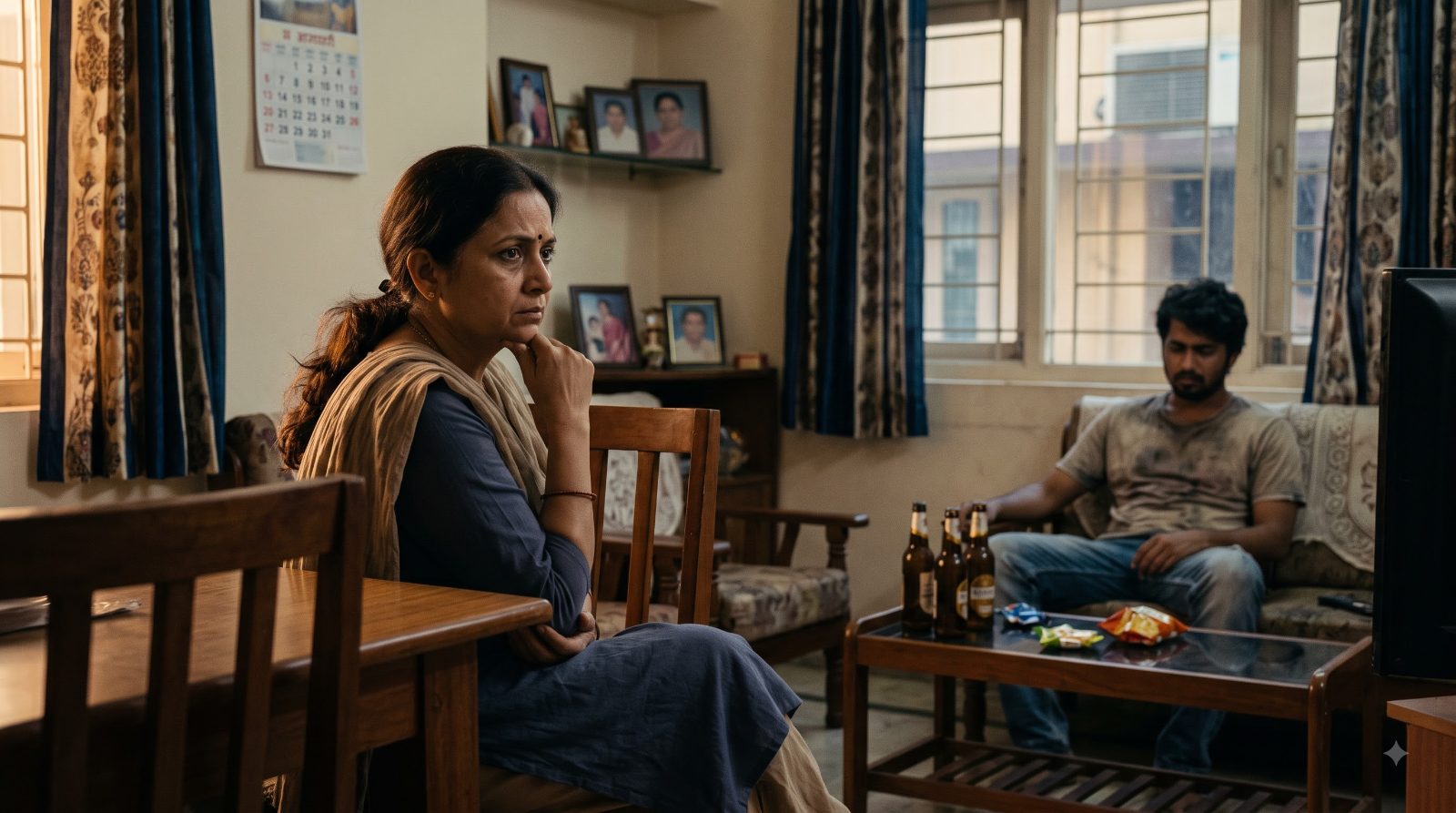
How to Support a Loved One Through De-Addiction Recovery
Recovery is a family journey. How the people around a patient respond can make a real difference — during treatment and long after discharge.

Recovery is a family journey
When someone enters treatment for addiction, the family is not a bystander — they are part of the recovery. How a family responds can genuinely strengthen or weaken a person's chances of staying well. The good news is that supporting a loved one does not require special training; it requires patience, consistency and a few clear principles.
How to help during treatment
- Stay in touch and show steady support
- Learn about addiction as a medical condition
- Attend family sessions when invited
- Look after your own wellbeing too
- Blame, shaming or bringing up the past
- Making the person feel like a burden
- Expecting an instant, perfect recovery
- Neglecting your own health and rest
The critical time after discharge
The weeks after treatment are when support matters most. Old routines, places and people can all trigger a return to use. Families who stay involved — gently, without policing — make a real difference.
- Keep the home environment calm and alcohol/drug-free
- Support new routines, sleep and healthy meals
- Encourage attendance at follow-ups and counselling
- Celebrate small milestones, not just big ones
- Watch for warning signs without hovering
Look after yourself too
Supporting someone in recovery is emotionally demanding. Caregivers who ignore their own needs burn out, which helps no one. Rest, your own support network, and professional guidance when you need it are not selfish — they are what make you able to keep helping.
VCAN guides families every step — reach out.
How VCAN supports families
At VCAN, family involvement is built into treatment rather than left to chance. From admission onwards, we keep families informed and, where helpful, include them in sessions so everyone understands the condition and the recovery plan. This shared understanding is one of the strongest predictors of lasting recovery.
Before discharge, we prepare each family for the realities of life afterwards — the likely triggers, the warning signs to watch for, and exactly who to call if things wobble. Recovery does not end when someone leaves the hospital, and neither does our support: follow-up reviews and aftercare keep both patient and family supported.
If you are caring for someone in recovery and feeling overwhelmed, remember that you do not have to figure it out alone. A single call to our team can give you practical guidance, reassurance and a plan — for your loved one, and for you.
Frequently Asked Questions
Is it okay to set boundaries with a recovering loved one?
Should we talk about the addiction openly at home?
How long does someone need family support after treatment?
What is the most important thing a family can do?
What should we avoid saying?
How do we handle a relapse?
Can the family get support too?
Written by the VCAN Medical Team, Vadodara Centre for Addiction & Neuropsychiatry. This article is for information and awareness only and is not a substitute for medical advice.