What Is rTMS? A Simple Guide to Drug-Free Brain Treatment
rTMS is a safe, drug-free treatment for depression, OCD and anxiety that many families have never heard of. This simple guide explains what it is, how a session works, and who benefits most — from the team at VCAN, which has delivered over 4,000 rTMS sessions.
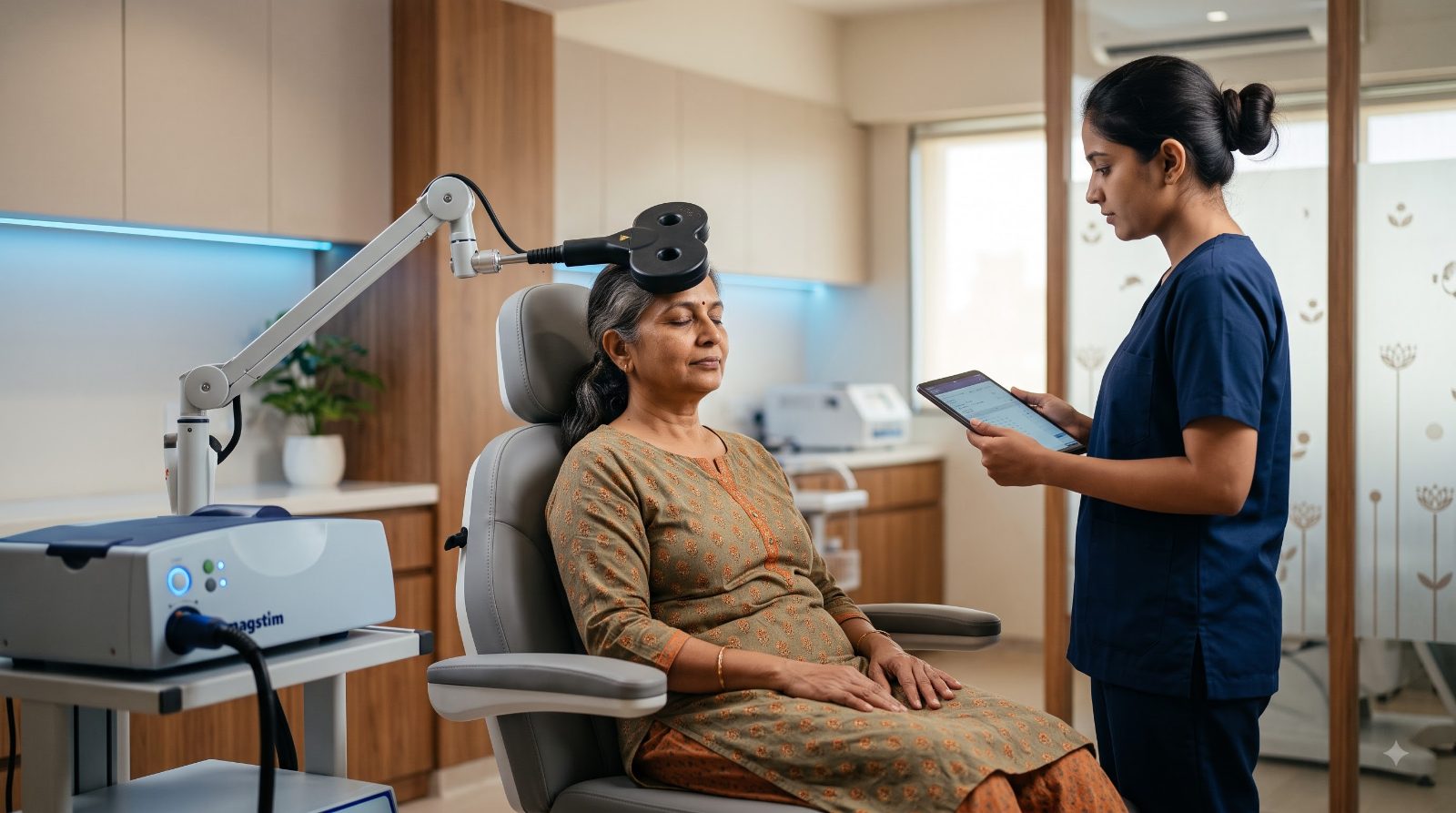
What is rTMS, in plain language?
rTMS stands for Repetitive Transcranial Magnetic Stimulation. It uses gentle, targeted magnetic pulses — the same type used in an MRI scan — to stimulate the specific areas of the brain involved in mood and thought. It is non-invasive (no surgery, no needles), drug-free, and internationally approved for depression and OCD. You stay fully awake, sit in a comfortable chair, and return to your day straight after.
How rTMS actually works
In depression and OCD, certain brain circuits become under- or over-active. A small coil placed against the scalp delivers magnetic pulses that gently "retrain" these circuits over a course of sessions, helping restore healthier activity — without medication side-effects.
- You relax in a treatment chair, fully awake
- A coil is positioned over a precise scalp area
- You feel a light tapping for a few minutes
- You get up and carry on with your day
Who rTMS helps most
- Medication has not fully worked
- Side-effects of medication are hard to tolerate
- Depression or OCD keeps returning
- You want a drug-free approach
- Certain metal implants need review
- Active seizure risk is checked
- Severe cases may need combined care
- A specialist confirms suitability
What to expect over a course
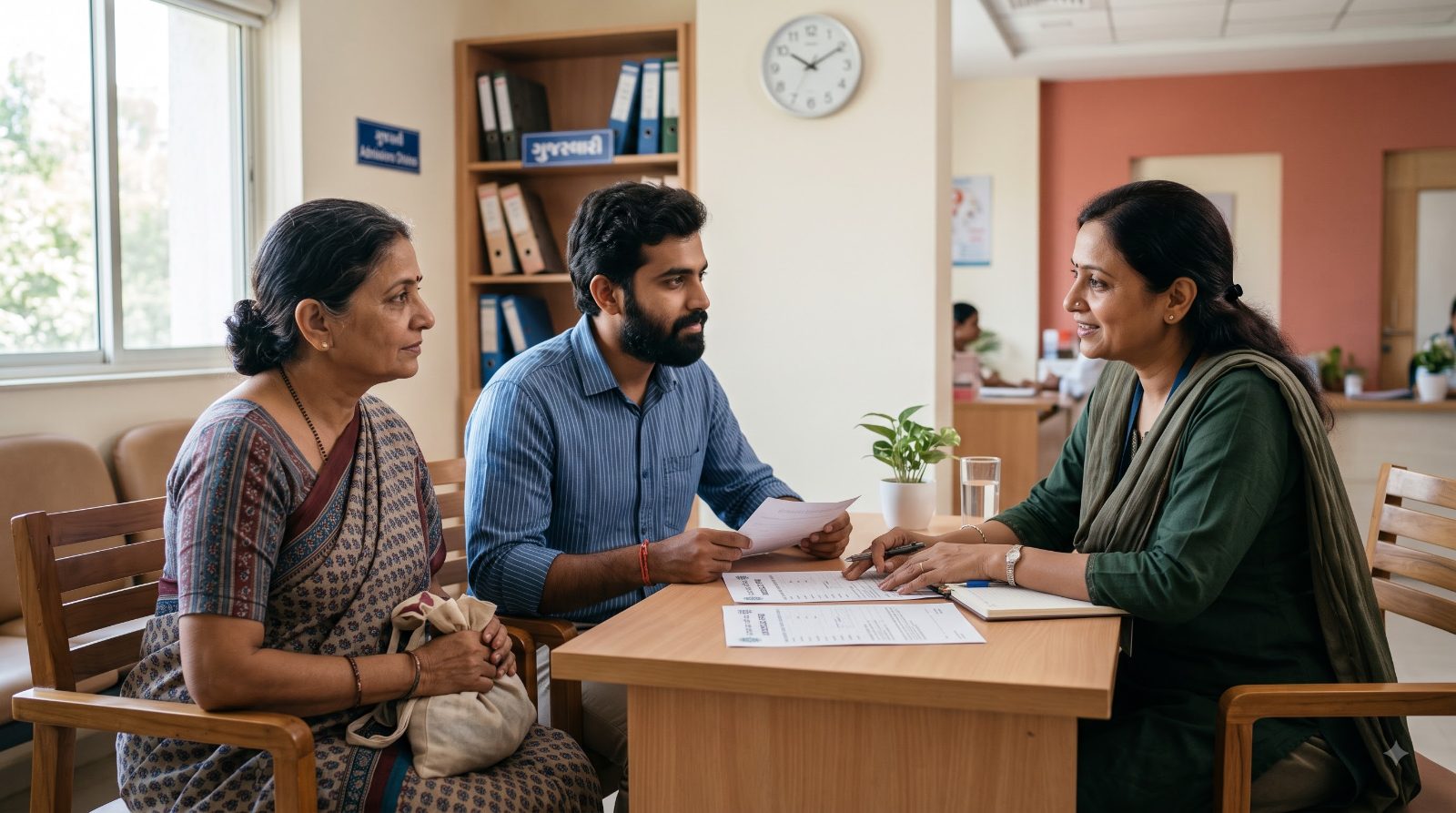
Assessment
A specialist confirms rTMS is right for you.
Mapping
We locate the precise treatment spot.
Sessions
A planned course of short daily sessions.
Review
Progress is tracked and the plan adjusted.
Book a assessment — our specialists will guide you.
rTMS at VCAN
VCAN has one of the most experienced rTMS programmes in Vadodara, with more than 4,000 sessions delivered. Experience matters with rTMS: accurate coil placement, the right stimulation settings and careful progress tracking all shape how well the treatment works. Our specialists tailor each course to the individual rather than applying a one-size-fits-all protocol.
Because rTMS is drug-free and non-invasive, it fits easily around daily life. There is no anaesthesia, no admission and no recovery time — most people return to work or studies straight after a session. For those who have struggled with medication side-effects, or for whom medication alone has not been enough, this makes rTMS a genuinely welcome option.
rTMS is most powerful as part of a complete plan. At VCAN it sits alongside psychiatric care, counselling and, where appropriate, other treatments such as tDCS or ECT — all under one roof. This means your treatment is coordinated by a single specialist team who can adjust the approach as you progress, rather than sending you between separate providers.
Many people ask how quickly rTMS works. Responses vary — some notice improvements in mood, sleep or energy partway through the course, while for others the benefit builds gradually and becomes clearer towards the end. Because progress is tracked at each stage, your specialist can see how you are responding and fine-tune the plan, so you are never simply waiting and hoping.
Frequently Asked Questions
Can rTMS be combined with therapy or counselling?
Is rTMS painful?
How many sessions will I need?
Will I need to stop my medication?
Is rTMS safe?
Written by the VCAN Medical Team, Vadodara Centre for Addiction & Neuropsychiatry. This article is for information and awareness only and is not a substitute for medical advice.