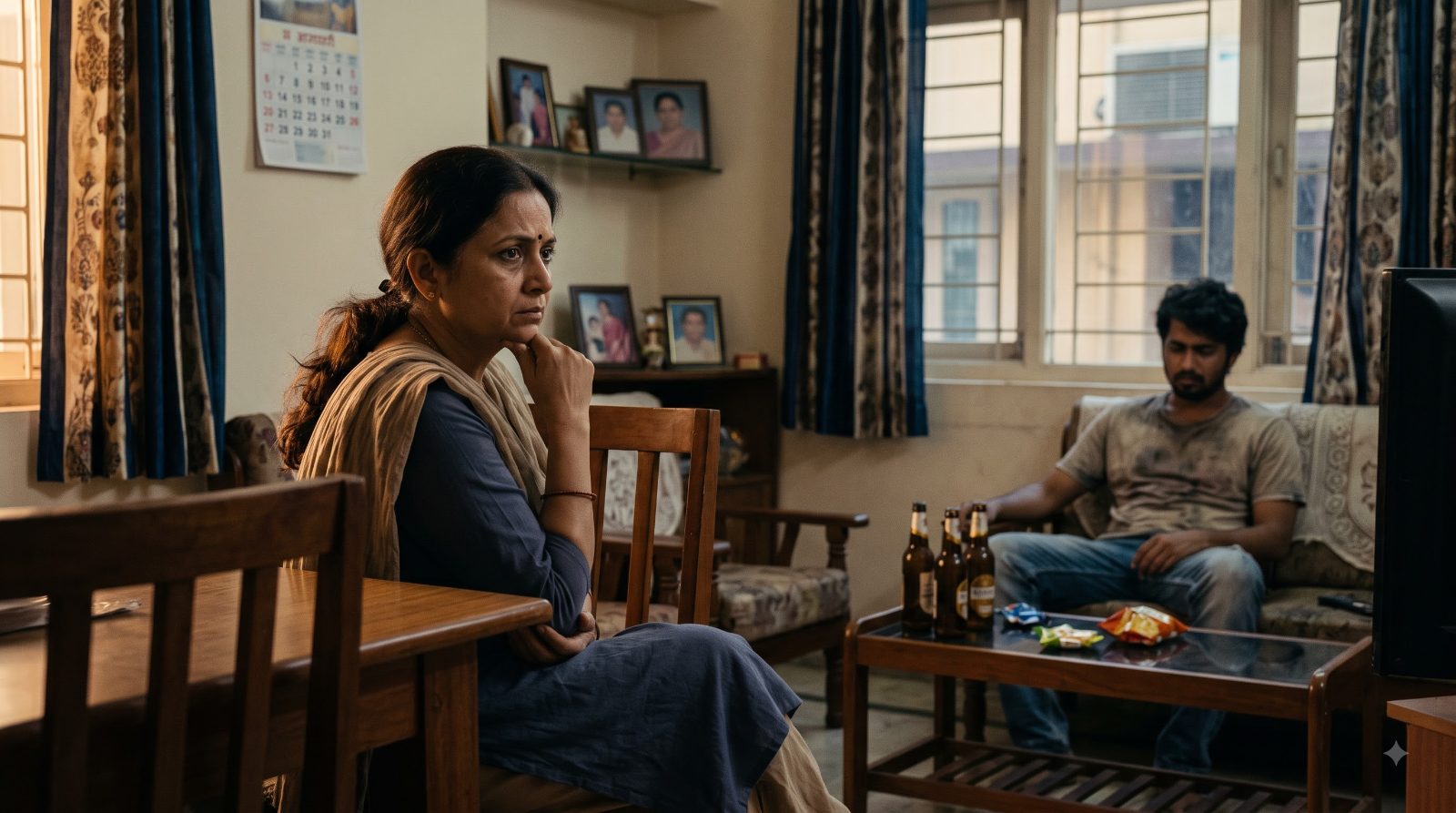
How to Help a Family Member Stop Drinking — A Gentle Guide for Families
Watching someone you love drink too much is exhausting and frightening. You cannot force change — but you can make it far more likely. Here is what genuinely helps.

You are not alone
In many Gujarati homes, a family member's drinking is kept quiet. Wives, parents and children often carry the stress for years — covering up, making excuses, managing money and hoping things will change on their own. If this sounds familiar, please know that alcohol dependence is a medical condition, not a family disgrace, and help is available.
This guide is for spouses, parents, sons and daughters who want to help a loved one stop drinking. It explains what usually works, what usually backfires, and when it is time to involve a de-addiction centre in Vadodara.
Why they can't "just stop"
Families often ask: "If he loves us, why doesn't he just stop?" Long-term drinking changes the brain's reward and stress systems. Over time, the person drinks less for pleasure and more to avoid feeling unwell — shaky hands, sweating, anxiety, poor sleep. Promises made sincerely in the morning are broken by evening because the body and brain are dependent.
- Drinking every day or most days, often starting early
- Needing more alcohol to get the same effect
- Shaking, sweating or restlessness when not drinking
- Failed promises to cut down or quit
- Problems at work, with money or with health
Recognising this does not excuse harmful behaviour — but it explains why love and willpower alone are rarely enough. For a fuller list, read Signs Your Family Member Has an Alcohol Problem.
How to start the conversation
The way the first conversation happens matters a lot. Choose a calm moment, when your loved one is sober and you are not angry. Speak privately, without an audience of relatives.
Pick the moment
Sober, calm and private — never during or right after drinking.
Use "I" statements
"I am worried about your health" rather than "You are a drunkard".
Be specific
Mention real incidents and how they affected the family.
Offer a next step
Suggest one simple action — a consultation, not a lecture.
Expect denial or anger the first time. That is normal. You are planting a seed; you may need several conversations. Keep your tone steady and repeat your concern without giving up.
What not to do
- Shouting, insulting or shaming in front of others
- Hiding or throwing away bottles in anger
- Covering up absences or paying off alcohol debts
- Making threats you will not follow through on
- Calm, repeated expressions of concern
- Clear, fair boundaries you keep consistently
- Praising every step towards help
- Getting advice for yourself from professionals
One of the most common mistakes is trying to make someone stop "cold turkey" at home. For a heavy daily drinker, sudden withdrawal can be dangerous. Learn why in Alcohol Withdrawal — Why Medical Detox Matters.
When to get professional help
You do not need to wait for "rock bottom". Contact a de-addiction team if your family member drinks daily, has withdrawal symptoms, has tried and failed to quit, has become aggressive, or has liver, stomach or memory problems. Seek help urgently if there is confusion, seizures, vomiting blood, or talk of self-harm.
At VCAN, the first step is usually a confidential conversation with the family. We explain the options — outpatient support, medical detox, or inpatient treatment — and help you plan how to approach your loved one. Our admission process is simple and available 24×7.
Look after yourself
Living with someone who drinks heavily affects your own sleep, health and peace of mind. It is not selfish to protect yourself and your children. Talk to someone you trust, set boundaries around money and safety, and consider counselling for yourself. A supported family is far better placed to support recovery. Many relatives find that once they stop carrying the problem alone, they can respond more calmly — and that calm often becomes the turning point for the person who is drinking. Our guide to supporting a loved one in recovery explains what helps after treatment begins.
Frequently Asked Questions
Can I make my husband or father stop drinking?
Is it safe to stop drinking suddenly at home?
What if they refuse to see a doctor?
Does VCAN offer family counselling?
Written by the VCAN Medical Team, Vadodara Centre for Addiction & Neuropsychiatry. This article is for information and awareness only and is not a substitute for medical advice.